

Asbestos And Abatement In Corona: Step-by-Step Process Explained
- Najera Environmental dba 1 Stop Restoration
- Jun 3
- 2 min read
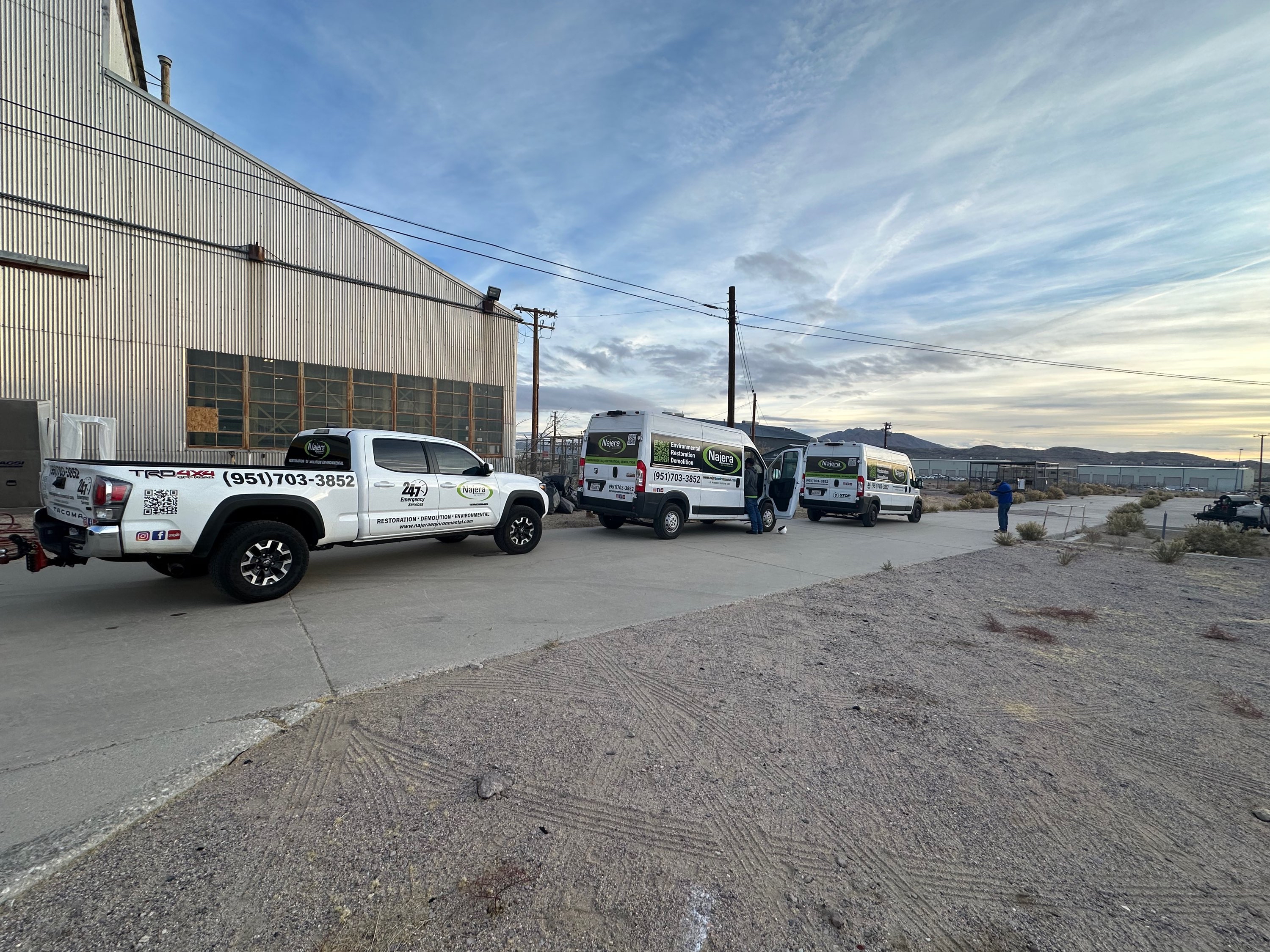

If you own or plan to renovate an older property in Corona, understanding asbestos isn’t optional, it’s essential. Widely used in construction materials before the 1980s, asbestos can still be present in insulation, flooring, roofing, and more. When disturbed, it releases microscopic fibers that can pose serious health risks. This guide walks you through the step-by-step asbestos and abatement in Corona process, so you know exactly what to expect from inspection to safe disposal.
Step one: Professional asbestos inspection - The first step in any abatement project is a thorough inspection. A licensed asbestos inspector will identify potential asbestos-containing materials. They will then assess their condition, intact vs. damaged, which will help them determine the risk level.
In Corona, inspections are especially important before renovations, demolitions, or major repairs. Even if materials look harmless, asbestos cannot be confirmed by sight alone.
Step two: Testing and analysis - Once suspect materials are identified, samples are carefully collected and sent to a certified lab. They are then tested and the testing involves:
Microscopic analysis to detect asbestos fibers
Determining the type and concentration
Providing documentation for compliance and planning
This step ensures that no unnecessary removal occurs and that all hazardous materials are properly identified.
Step three: Containment and preparation - If asbestos is confirmed, the area must be sealed off before any removal begins. Containment includes installing plastic sheeting to isolate the work zone, creating negative air pressure systems, and shutting down HVAC systems to prevent fiber spread. There will also be posting of warning signs and restricting access. This phase is critical to protect both workers and occupants in your Corona property.
Step four: Safe asbestos removal - Actual removal must be handled by licensed abatement professionals using strict safety protocols.
The process typically involves:
Wetting materials to minimize airborne fibers
Carefully removing contaminated materials without breaking them apart
Using specialized tools and protective equipment like respirators and suits
Depending on the situation, professionals may choose:
Removal or complete elimination of asbestos materials
Encapsulation or sealing asbestos in place
Enclosure or covering it to prevent exposure
The right approach depends on the material’s condition and location.
Step five: Air filtration and cleanup - After removal, the area is thoroughly cleaned to eliminate any remaining fibers. This includes HEPA vacuuming of all surfaces, wet wiping and decontamination, and continuous air filtration. Air quality tests may be conducted to confirm that the space is safe for re-entry.
Step six: Legal disposal of asbestos waste - Asbestos cannot be thrown away like regular construction debris. It must be handled and disposed of according to strict regulations.
Proper disposal involves:
Sealing materials in labeled, leak-tight containers
Transporting waste to approved hazardous disposal facilities
Maintaining documentation for compliance
In Corona, following California’s environmental and safety laws is mandatory to avoid fines and protect public health.
Managing asbestos and abatement in Corona requires a careful, step-by-step approach. From inspection and testing to containment, removal, and disposal, each phase plays a vital role in keeping your home safe. If you suspect asbestos, don’t take chances. The right process, handled by the right professionals, ensures your property remains both compliant and healthy for years to come.


Comments